
Sericulture (Reshim Udyog) New Update 2026: Latest Cocoon Prices, Government Support & Profit Guide
Introduction
Sericulture (Reshim Udyog) is one of the most profitable agro-based industries in India, providing employment and steady income to lakhs of farmers. With rising demand for natural silk in domestic and international markets, 2026 has brought important updates in sericulture prices, farming practices, and government support schemes.
This SEO-friendly blog covers the latest silk cocoon prices, new updates in reshim udyog, profit potential, and future scope, making it ideal for publishing on WordPress websites.
What is Sericulture (Reshim Udyog)?
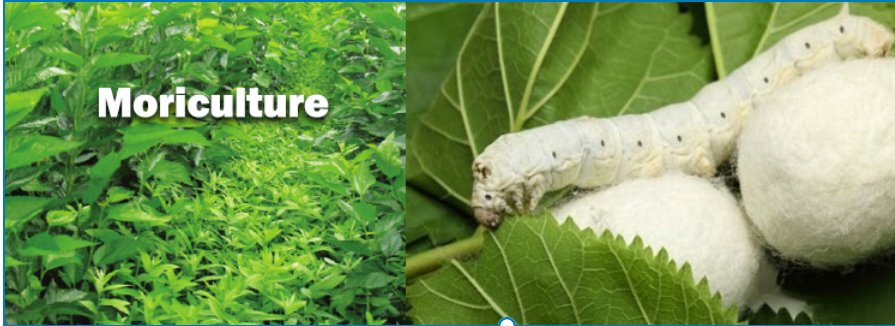
Sericulture is the process of cultivating silkworms to produce silk. It mainly includes:
- Mulberry cultivation
- Silkworm rearing
- Cocoon production
- Silk reeling and weaving
India is the second-largest producer of silk in the world, and states like Karnataka, Andhra Pradesh, Telangana, Tamil Nadu, Maharashtra, and West Bengal are major contributors.
Sericulture New Update 2026 (Latest News)
In January 2026, several positive developments were announced for the silk industry:
- Increase in silk cocoon prices in major markets
- Government focus on organic and bivoltine silk
- Expansion of silk reeling units at village level
- Digital trading platforms for silk farmers
- Subsidies for mulberry plantation and silkworm rearing
These updates aim to make reshim udyog more profitable and sustainable.
Latest Silk Cocoon Prices 2026 (Market Update)
Silk cocoon prices depend on quality, region, and demand. As per the January 2026 market trend, average prices are:
Silk Cocoon Price List (Approx.)
- Bivoltine Cocoon: ₹520 – ₹650 per kg
- Cross-Breed Cocoon: ₹420 – ₹520 per kg
- Multivoltine Cocoon: ₹300 – ₹380 per kg
📈 Prices have increased due to:
- High demand from textile industries
- Export growth of Indian silk
- Limited supply of high-quality cocoons
Note: Prices may vary from market to market.
Why Sericulture is Profitable in 2026
Sericulture is gaining popularity among farmers because:
- Requires less land compared to traditional crops
- Generates income 4–5 times a year
- High market demand for natural silk
- Suitable for small and marginal farmers
- Strong government support
With proper management, farmers can earn ₹1.5 to ₹3 lakh per acre annually.
Mulberry Cultivation: The Backbone of Sericulture
Mulberry leaves are the primary food for silkworms. New farming techniques introduced in 2026 include:
- High-yield mulberry varieties
- Drip irrigation systems
- Organic fertilizers and bio-pesticides
- Soil testing-based nutrient management
These methods help improve leaf quality, resulting in better cocoon yield and price.
Government Schemes for Sericulture Farmers 2026
The central and state governments are promoting sericulture through various schemes:
Key Benefits:
- Subsidy on mulberry plantation
- Financial assistance for silkworm rearing sheds
- Support for silk reeling machines
- Training and skill development programs
- Easy loans through agriculture banks
Farmers adopting modern techniques receive higher subsidies.
Sericulture Farming Cost & Profit Analysis
Estimated Cost (Per Acre / Year):
- Mulberry plantation: ₹40,000 – ₹50,000
- Silkworm rearing: ₹30,000 – ₹40,000
- Maintenance & labor: ₹20,000
Total Cost: ₹90,000 – ₹1,10,000
Expected Income:
- Cocoon production: 400–500 kg/year
- Average selling price: ₹500/kg
Total Income: ₹2,00,000 – ₹2,50,000
Net Profit: ₹1,00,000 – ₹1,40,000 per acre
Role of Technology in Reshim Udyog
Technology has transformed sericulture in 2026:
- Mobile apps for disease detection
- Online silk cocoon auctions
- Climate-controlled rearing houses
- Improved silkworm breeds
These innovations help farmers reduce losses and increase quality.
Export Potential of Indian Silk
Indian silk has high demand in:
- China
- Japan
- Europe
- Middle East
With government initiatives like “Make in India” and “Vocal for Local”, silk exports are expected to grow significantly in 2026.
Challenges in Sericulture & Solutions
Challenges:
- Climate dependency
- Silkworm diseases
- Price fluctuations
Solutions:
- Scientific farming practices
- Insurance coverage
- Government price support
- Farmer training programs
Future of Reshim Udyog in India
The future of sericulture looks very promising due to:
- Growing demand for eco-friendly textiles
- Rising export opportunities
- Continuous government support
- Adoption of modern farming techniques
Experts believe sericulture can become a major income source for rural India.
Conclusion
Sericulture (Reshim Udyog) in 2026 has emerged as a high-income and sustainable farming option. With rising silk cocoon prices, strong government backing, and technological support, farmers can achieve excellent profits. If managed properly, reshim udyog can transform rural livelihoods and boost India’s silk economy.
👉 Stay connected with our blog for latest agriculture updates, market prices, and government schemes.