
Importance of Soil Testing and How to Do It Step by Step
🌱 Introduction
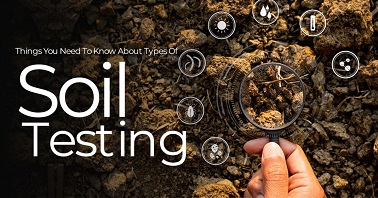
Soil is the foundation of farming. Just as a doctor recommends tests before treatment, farmers must test their soil before sowing crops. Soil testing helps understand the nutrient status, pH level, and fertility of the soil. Based on the test results, farmers can choose the right crops, fertilizers, and management practices to increase productivity and save costs.
🌾 Why is Soil Testing Important?
1. Understanding Soil Health
Soil testing reveals the presence of essential nutrients like Nitrogen (N), Phosphorus (P), Potassium (K), and micro-nutrients such as Zinc, Iron, Copper, etc. This ensures balanced fertilization and healthier soil.
2. Better Crop Yield
When soil nutrients are balanced, crops grow stronger and healthier, resulting in higher yields.
3. Cost Saving for Farmers
Unnecessary use of fertilizers increases expenses. Soil testing guides farmers to use the right type and quantity of fertilizer, reducing costs.
4. Environmental Protection
Excess fertilizer not only harms the soil but also pollutes groundwater. Soil testing helps apply nutrients wisely, reducing environmental damage.
5. Choosing the Right Crop
Different soils are suitable for different crops. Testing helps farmers decide which crop will give the best results in their fields.
| Nutrient | Deficiency Symptoms | Recommended Fertilizer |
|---|---|---|
| Nitrogen (N) | Yellowing of older leaves, stunted growth | Urea, Ammonium Sulphate |
| Phosphorus (P) | Purplish leaves, delayed maturity | Single Super Phosphate (SSP), DAP |
| Potassium (K) | Brown leaf edges, weak stems | Muriate of Potash (MOP), Sulphate of Potash |
| Zinc (Zn) | White or yellow streaks, small leaves | Zinc Sulphate, Chelated Zinc |
| Iron (Fe) | Yellowing between leaf veins (chlorosis) | Ferrous Sulphate, Iron Chelates |
| Sulphur (S) | Pale younger leaves, thin stems | Gypsum, Ammonium Sulphate |
| Magnesium (Mg) | Yellowing between veins on older leaves | Magnesium Sulphate |
| Calcium (Ca) | Poor root growth, blossom end rot in fruits | Lime, Calcium Nitrate |
🧪 How Can Farmers Do Soil Testing?
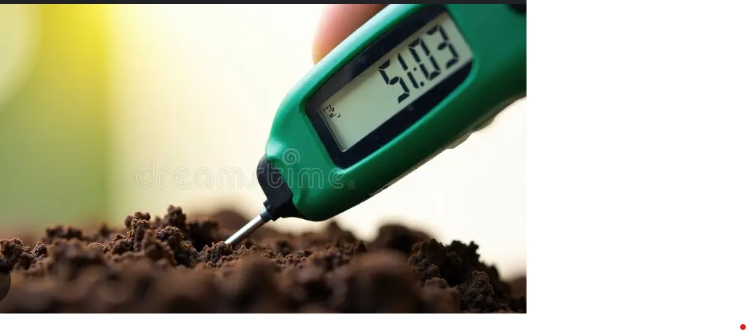
Soil testing can be done in two ways: (1) At home with soil testing kits, (2) By sending samples to government or private soil testing laboratories.
Here are the detailed steps:
Step 1: Selection of Sampling Site
- Divide the field into small sections if it is large.
- Avoid areas near compost pits, bunds, or water channels, as they may give false results.
Step 2: Collection of Soil Samples
- Use a clean spade or auger to dig soil from 6–8 inches depth (for normal crops).
- Collect samples from 5–6 different spots in a zig-zag pattern across the field.
- Mix them properly in a clean bucket to form a composite sample.
Step 3: Drying and Packaging
- Air dry the soil sample (do not use direct sunlight).
- Remove stones, roots, or organic debris.
- Pack about 500 grams of soil in a clean cloth or plastic bag.
Step 4: Labeling the Sample
- Clearly label with details like farmer’s name, village, crop grown, and field number.
Step 5: Sending for Testing
- Submit the sample to the nearest Soil Testing Laboratory (STL), Krishi Vigyan Kendra (KVK), or agriculture university center.
- Farmers can also use Soil Health Card schemes provided by the government to get free or subsidized testing.
Step 6: Interpretation of Results
- The lab report will provide nutrient status and recommended fertilizer doses.
- Follow the guidance given in the report for maximum benefit.
📊 Role of Soil Health Card Scheme
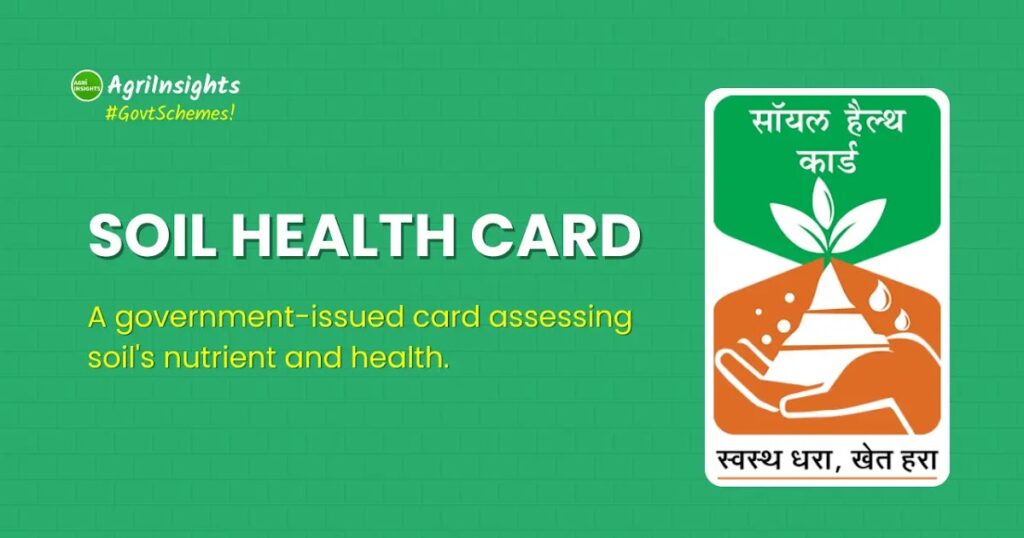
The Government of India provides Soil Health Cards to farmers. These cards contain information on soil nutrient status and fertilizer recommendations. It helps in balanced use of fertilizers, improves soil fertility, and increases productivity sustainably.
🌍 Conclusion
Soil testing is not just a scientific practice but a smart farming decision. It improves productivity, reduces costs, and protects the environment. Every farmer should make soil testing a routine before sowing crops. Healthy soil means healthy crops, and ultimately, a prosperous farmer.