
Cotton remains one of India’s most significant agricultural commodities — driving livelihoods, textiles and export earnings. As of December 2025, cotton prices both globally and domestically are navigating a complex mix of international demand, trade policy shifts, government interventions, and supply dynamics. This article unpacks the cotton rate scenario in December 2025, what’s driving prices, how farmers are faring, and what the future could hold.
Cotton Rates in December 2025: Trends, Prices & Farmer Realities
Current Cotton Price Scenario (Dec 2025)
As of late December 2025, cotton rates show a nuanced picture:
Domestic (India) Market
- The mandi (market) rate for cotton is about ₹7,767 per quintal — roughly ₹77.68/kg. (commodityonline.com)
- Prices vary slightly across regions with highs nearer ₹81/kg and lows near ₹74/kg per kg in local markets. (commodityonline.com)
- On commodity exchanges like MCX, cotton has seen a modest decline in trend with recent data showing prices around ₹55,500 per bale (noting some year-on-year volatility). (bankbazaar.com)
Global Futures Market
- On the Intercontinental Exchange (ICE), cotton futures (December 2025 contract) have been trading mostly in the 63–65 cents per pound range — indicating a relatively range-bound global market. (Cotton Incorporated)
This range reflects steady but non-bullish momentum — partly due to subdued demand signals and stable inventories. (TechStock²)
Why Are Cotton Rates Where They Are?
1. International Market Dynamics
Global cotton prices — especially benchmark contracts such as the ICE Cotton #2 futures — have stayed in a tight band through December, largely fluctuating due to:
- Global supply and stocks adjustments.
- Mixed buying interest from major importing countries.
- Currency movements like a softer or stronger dollar influencing export competitiveness. (TechStock²)
These broader influences keep prices non-volatile but capped within a certain range. (Cotton Incorporated)
2. Import Duty Policy & Its Impacts
The Indian government allowed duty-free imports of raw cotton until December 31, 2025. This move has led to:
- Significant cotton imports — particularly cheaper cotton from countries like Brazil and the U.S.
- Downward pressure on domestic mandi prices because imported cotton becomes cost-competitive. (The Times of India)
This policy eased raw material costs for textile mills, but hurt farmgate prices as domestic cotton faces competition from cheaper imports.
3. Minimum Support Price (MSP) Influence
For crop year 2025–26, the Government of India raised the MSP for cotton:
- ₹7,710 per quintal for medium staple.
- ₹8,110 per quintal for long staple varieties. (caionline.in)
This MSP boost aims to ensure farmers a floor price, but in many regions market rates remain below MSP, pushing farmers toward government procurement. (The Times of India)
4. Supply & Production Factors
India’s cotton sowing area and production forecasts have been mixed this season, with:
- Some areas reporting adequate harvests.
- Others facing quality or quantity concerns.
This affects the total supply available for trade, which in turn influences prices. (pjtau.edu.in)
Record cotton procurement by the Cotton Corporation of India (CCI) is anticipated due to prices staying below MSP, with some estimates suggesting very high procurement volumes. (LinkedIn)
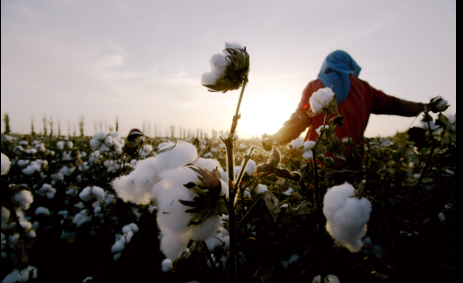
What This Means for Farmers
Lower Market Prices vs. MSP
Even with MSP set higher, open market rates in many mandis are below MSP, which:
- Forces farmers to sell to government procurement centers.
- Reduces bargaining power with private traders. (The Times of India)
Import Competition
Duty-free imports flood the market with lower-priced cotton. Farmers often receive less remuneration compared with the cost of production, especially when international cotton undercuts local prices. (smartinfoindia.com)
Procurement as a Safety Net
With procurement expected to be record-high, more farmers might rely on government purchases rather than private sales — a mixed outcome:
- It protects incomes.
- But also creates logistical and storage challenges for the government. (LinkedIn)
How Textile Industry Views the Market
The textile industry, from mill owners to exporters, has mixed reactions:
Positive Factors for Mills
- Lower raw cotton costs due to import duty exemption reduce manufacturing costs.
- Predictable price bands help mills plan inventory and exports. (The Economic Times)
Industry Calls for Policy Support
Industry bodies have advocated:
- Permanent or extended duty exemptions.
- Policies to reduce the gap between global and domestic prices.
- Support mechanisms that balance farmer welfare with industry competitiveness. (in.apparelresources.com)
These voices reflect the tension between keeping raw material cheap for textile products and ensuring fair farmer compensation.
Global End-Use Demand
Globally, cotton demand is tied to:
- Clothing and textile manufacturing.
- Shifts toward alternative fibers and blended fabrics.
- Economic cycles influencing consumer demand. (Cotton Incorporated)
Though cotton remains essential, other fibers and blended materials are gaining ground — influencing long-term demand and price prospects.
Looking Ahead: Cotton Price Outlook
Short Term (Early 2026)
- Cotton prices may stay range-bound, barring major demand or supply shocks. (sourcingjournal.com)
- Policy decisions post-December (like reinstating import duties) could influence upward price pressure.
Medium Term
Several factors will shape cotton pricing:
- Global demand recovery — greater textile consumption can buoy prices.
- Supply constraints — weather, acreage, and production shortfalls could tighten markets.
- Export markets — growth in key importers can support better global price levels.
Long Term
Investment in more resilient cotton seed varieties, productivity missions, and sustainability practices (e.g., cotton productivity missions) could strengthen the industry’s position globally. (The Economic Times)
Final Thoughts
December 2025 cotton rates reflect a market in transition. While the current mandi and futures prices show stability, behind the scenes a mix of trade policy, global demand patterns, and domestic agriculture pressures are pulling prices in different directions.
For farmers, staying informed about MSP mechanisms and government procurement opportunities will be crucial. For industry stakeholders, balancing cost efficiencies with sustainable farmer incomes remains an ongoing challenge.
As 2026 unfolds, cotton markets will likely remain sensitive to policy shifts, global consumption trends, and domestic production dynamics — making cotton one of the most watched agricultural commodities for India and the world.